Your molecular engineering team, on demand.
Computational protein engineering · Target to test plan
Crane Bioworks is a computational partner for protein engineering. We help wet-lab teams decide what to test next, returning ranked candidates, the evidence behind them, and a practical test plan.
Where Crane adds leverage.
For wet-lab teams with a clear molecular problem and too many plausible designs to test. Crane narrows the search space into a smaller, defensible candidate set for the next experiment.
More designs than capacity
A search space too large to test
The target is clear, but plausible designs outnumber the experiments your lab can run.
Crane brings: A ranked, annotated candidate set built from cross-checked model outputs.
A decision to defend
Trade-offs that need a defensible choice
The models agree on some candidates, diverge on others, and the next experiment needs a rationale.
Crane brings: Explicit trade-offs and uncertainty translated into a practical test plan.
No expertise in-house
Focused capacity for the next decision
Your scientists own the experiments, with no hire to find and no platform to roll out. You need a partner for the heavy computational lifting upfront.
Crane brings: Model orchestration and scientific judgment delivered as a focused campaign.
Start with the molecular problem.
Stability, protein design, enzymes, or complexes: define the next lab decision, then choose the computational route that best reduces the search space.
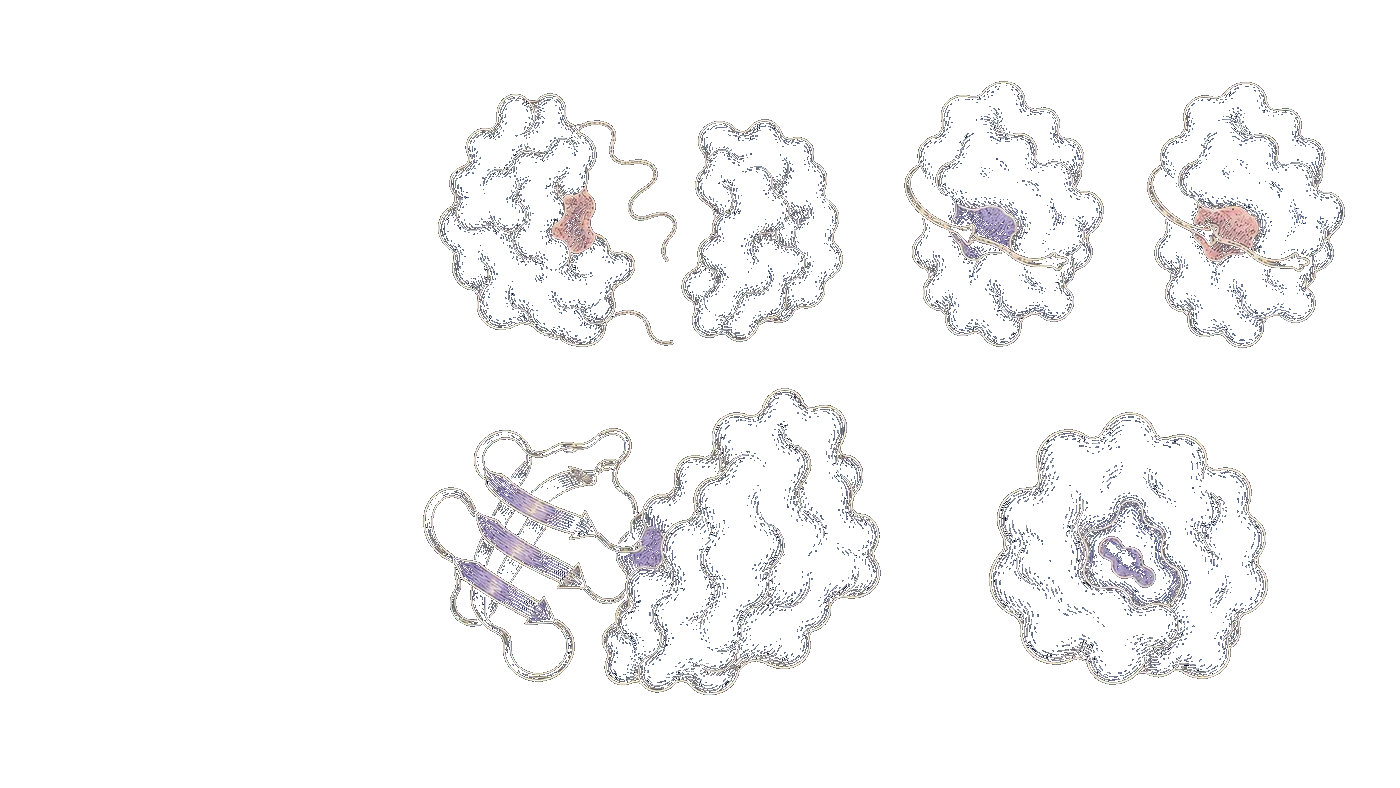
Selected campaign
Stability & Solubility
When aggregation, solubility, expression, or thermal stability is blocking the next experiment.
- Aggregation control
- Expression rescue
- Developability
- Thermal stability
A handoff your lab can use.
At the end of a design round, your team receives a well-annotated scientific work product: ranked candidates, explicit uncertainty, and a practical test plan.
Each candidate stays traceable to model evidence, constraints, uncertainty, and expert review. Your lab can decide what to test now and what the next round should learn.
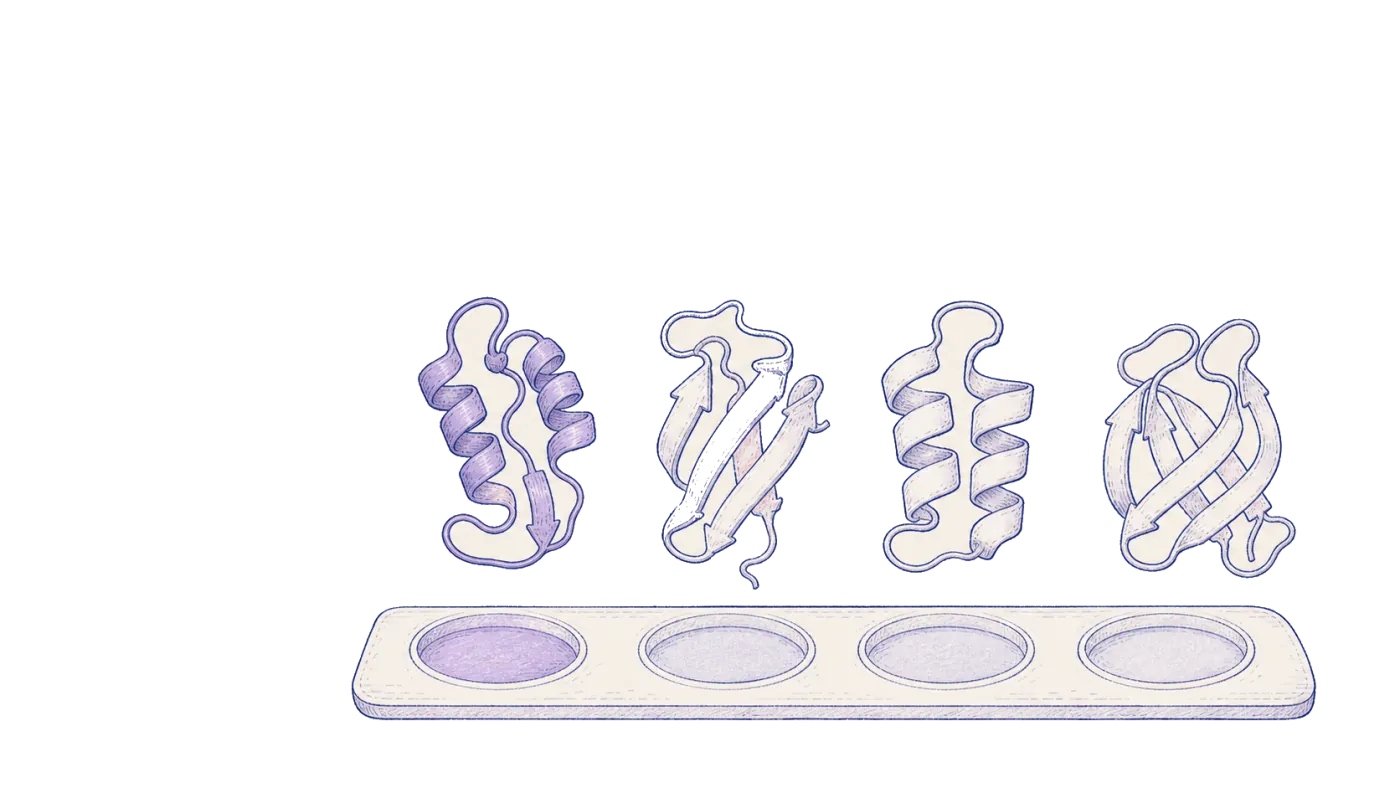
Campaign output
Ranked candidate designs
Illustrative order
- Candidate 01Top priority
- Candidate 02
- Candidate 03
- Candidate 04
- Design rationale
- Where models agree, where they diverge, which uncertainties remain, and why the final candidates made the cut.
- Validation plan
- What to test first, which assays matter, and how to structure the next round once experimental results come back.
- Next-round plan
- When the lab data arrives we diagnose why designs failed, not only which ones did, so the next round corrects the cause and does not start from zero.
Start with one target.
One target, fixed scope, fixed price, typically within 1–3 weeks. From there we engage in long-term partnerships, delivering protein engineering and design services along the lifecycle of a biotech company.
- 01
What you receive
A decision-ready first round
Ranked candidates, the rationale, and a validation plan for the target you choose.
- 02
What we need
Three inputs, no onboarding
A target sequence, the constraints that matter, and the assay you already run.
- 03
Why not hire
Expertise without the search
You get a first answer before a computational hire could be found and onboarded. There is no software to license and no platform for your team to operate.
Evidence before hype
Public technical studies showing how we select candidates, test assumptions, and make remaining risk explicit before wet-lab handoff.
Technical study
July 2026
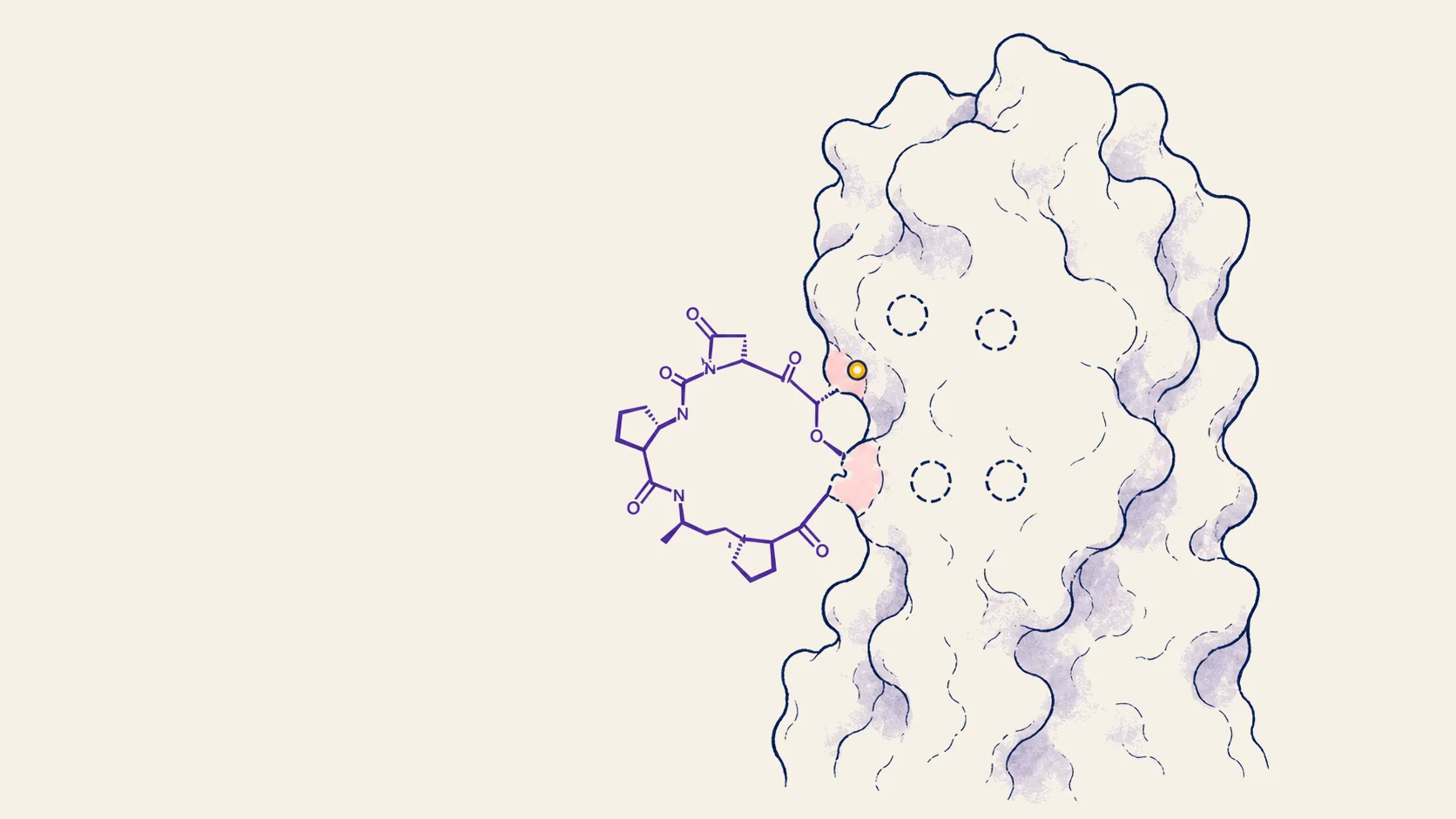
Finding a Cyclic Peptide at the Right PD-L1 Address
An 11-design cyclic-peptide campaign on Crane advanced three computational leads, with p104 providing an independent measured-affinity and 5 Å contact reference.
Technical study
July 2026
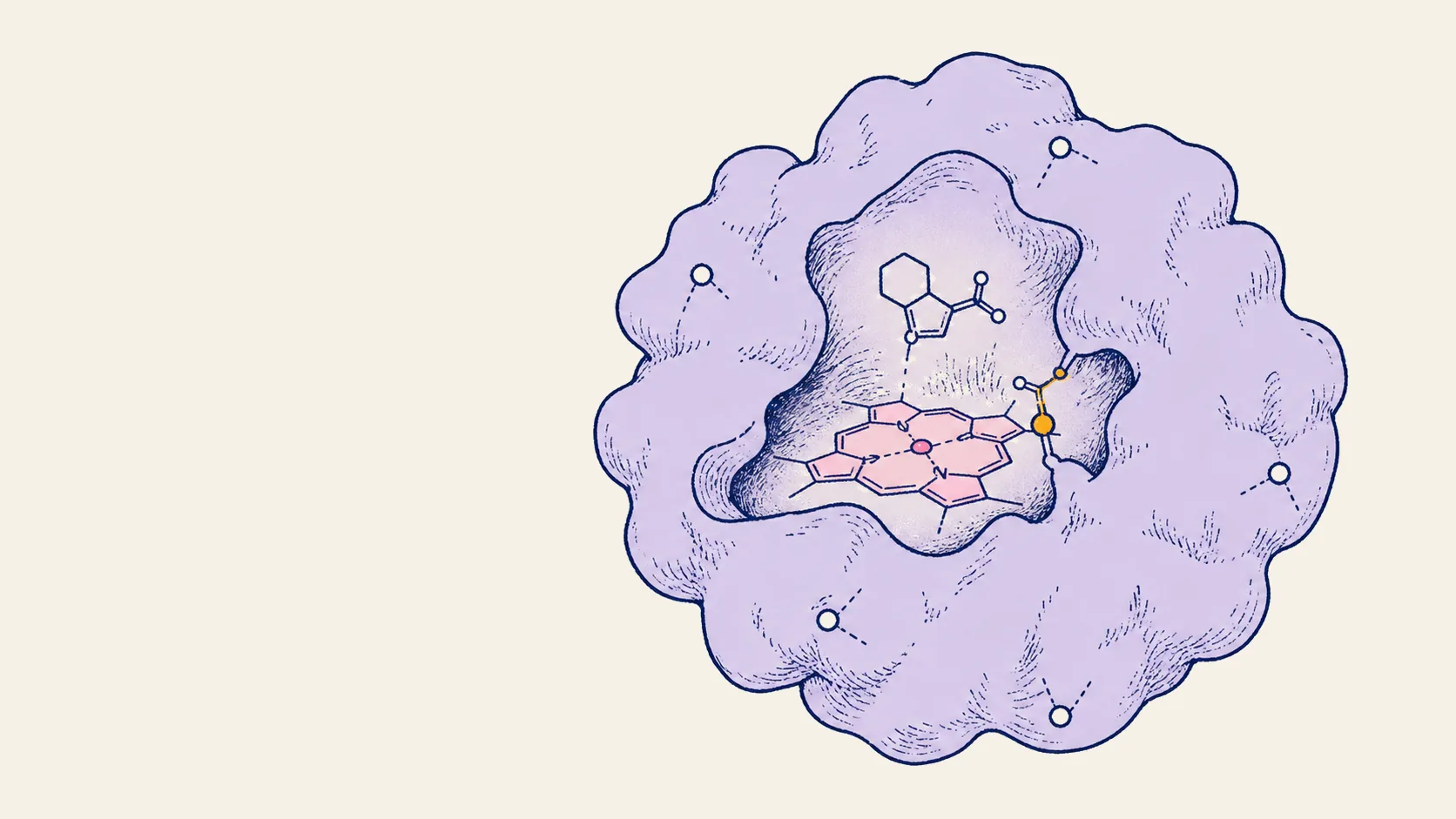
What Structure Adds When Sequence Scores Miss
A small publication-date holdout shows where sequence-derived kinetics scores fall short, and how explicit structure can make variant decisions more inspectable without replacing wet-lab validation.
Technical study
April 2026
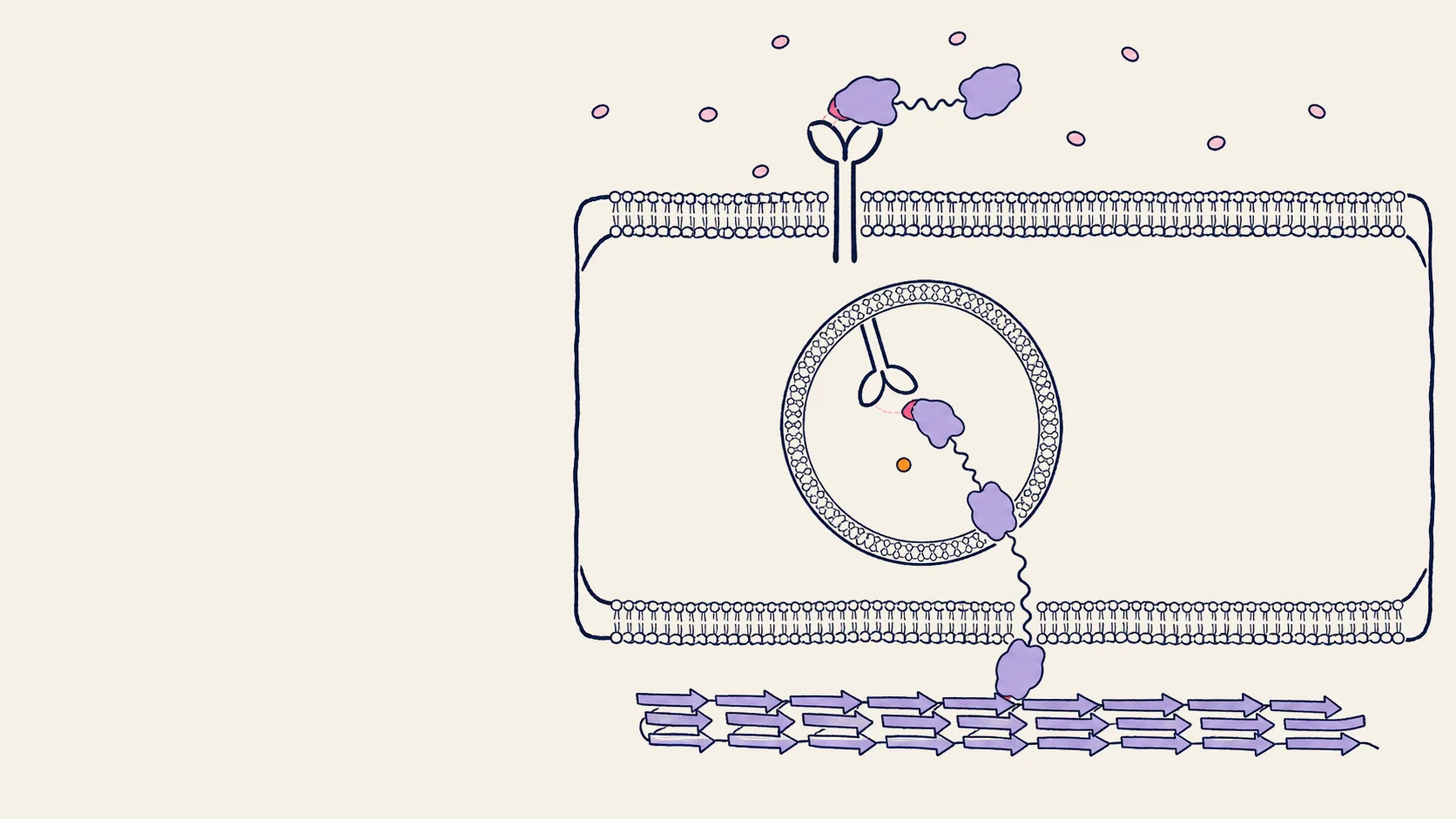
De Novo Nanobody Design for a Bispecific BBB Shuttle: 32 Variants to Synthesis
A computationally designed bispecific VHH panel: a TfR1-binding arm validated against the full receptor across two independent structure predictors, plus an alpha-synuclein fibril-binding arm. 100 candidates funneled to 32 synthesis-ready variants. Computational only: wet-lab validation pending.
Each study distinguishes computational evidence from wet-lab validation so you can judge the work on its actual footing.
Open the full story libraryA model-agnostic stack, accountable to your team.
We combine protein language models, structure predictors, generative models, and campaign-specific analyses. Protein engineers cross-check the evidence, quantify uncertainty, and turn it into priorities your lab can test.
- 01
- Model-agnostic pipeline
- 02
- Cross-checked outputs
- 03
- Engineer-reviewed priorities
Ask how a campaign works, talk through a public result, or clarify fit before a call. When the conversation moves from explanation to scope, the Crane team takes over.
AI-assisted · Public information
Ask Crane
Campaign and services guide
Ask about your target, our services, public results, or how a campaign works.
Questions you can ask
The people behind every campaign.
Crane is a lead plus a matched network: PhD specialists assembled to fit each problem, with senior advisors behind them. A protein engineer steers and directs each campaign and is responsible for the outcome.
- 01
- PhD in computational biology (Ghent University / VIB). Co-author of open-source tools still used across the field, iceLogo and compomics-utilities, and co-founder of Solvice, acquired in 2026.
- 02
- Protein designers and PhD specialists across computational biology, molecular biology, synthetic biology, and enzyme engineering. We assemble the right expertise around your target, campaign by campaign, so your team gets depth where it matters without making a permanent hire.
- 03
- Senior scientific advisors review approach and results behind the scenes, adding a layer of judgment and accountability to every design campaign.
Founder
Kenny Helsens
Specialist network
Expertise matched to the target
Scientific review
Trusted advisors
Answers before you share a sequence.
Practical answers before we discuss target context.

Bring the next molecular decision.
In 30 minutes, we’ll look at the target sequence, known constraints, and experiments your lab can run, then tell you directly whether a focused computational campaign can shrink the search space.
Target sequence · known constraints · lab decision